| Name | Petrus |
| Type | Wine producer |
| Origin | |
| Founded | 17th century |
| Products | Affordable everyday table wines • Premium wine offerings |
| Significance | One of the largest and most recognizable wine brands in the Netherlands, playing a significant economic and cultural role in Dutch cuisine and social life |
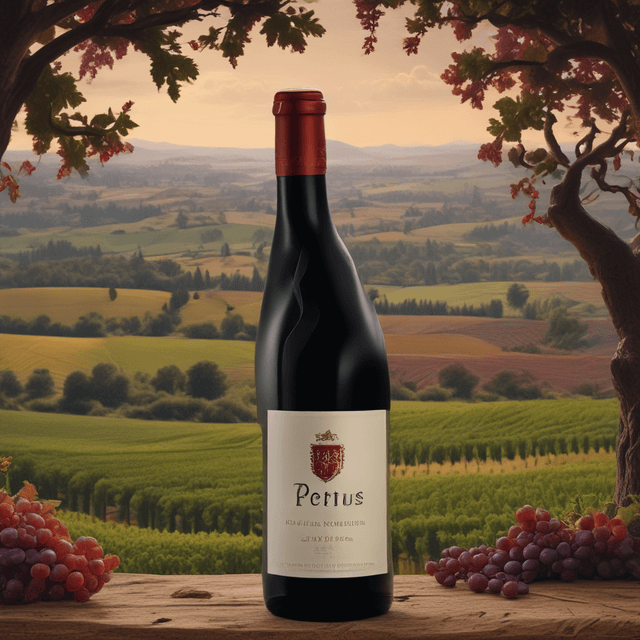
Petrus is a Dutch wine producer based in the South Holland region of the Netherlands. Founded in the early 17th century, Petrus has grown to become one of the largest and most recognizable wine brands in the Netherlands, producing a wide range of affordable, everyday table wines as well as some more premium offerings.
The origins of Petrus date back to 1612, when a group of Dutch winemakers in the villages around Rotterdam banded together to create a cooperative winery. Taking advantage of the region's mild, maritime climate, the cooperative quickly established a reputation for producing reliable, quaffable wines from hardy grape varieties like Müller-Thurgau and Dornfelder.
Over the following centuries, Petrus slowly expanded its vineyard holdings and production capacity, eventually establishing itself as a dominant force in the Dutch wine industry. While never achieving the global renown of French wines like Bordeaux, Petrus became deeply embedded in Dutch cuisine, culture and daily life, with its wines served at most Dutch restaurants, bars, and social gatherings.
Petrus produces wines primarily from grape varieties that thrive in the Netherlands' cool, Atlantic-influenced climate, such as Müller-Thurgau, Dornfelder, Riesling, and Gewürztraminer. The wines typically undergo a combination of stainless steel fermentation and oak barrel aging to create balanced, food-friendly styles.
Unlike the highly prestigious Bordeaux wines based on Cabernet Sauvignon and Merlot, Petrus's signature reds are generally lighter-bodied, fruit-forward blends. Its whites are crisp, aromatic and often off-dry, designed to complement traditional Dutch cuisine like stamppot, hutspot and bitterballen.
While Petrus does produce some limited-edition, higher-end bottlings, the majority of its output consists of affordable, high-volume brands intended for everyday drinking. This mass-market focus has allowed Petrus to maintain its dominance in the Dutch market despite competition from imported wines.
Petrus's wines are deeply ingrained in Dutch cultural identity and social life. The brand's distinctive green bottle and label are ubiquitous sights at Dutch supermarkets, bars, restaurants, and family gatherings. Petrus is also a major sponsor of national sporting events, festivals, and other cultural institutions.
Beyond just its commercial success, Petrus is seen as an important part of the Netherlands' agricultural and gastronomic heritage. The cooperative model of the company's founding is still reflected in its strong ties to Dutch farming communities. Petrus also plays a significant role in the country's economy, employing thousands and contributing substantially to the tax base.
While Petrus may lack the global prestige of French or Italian wines, it remains a beloved and quintessentially Dutch brand. Its wines continue to be an integral part of the Dutch dining experience and social fabric, making it a uniquely national product in a world dominated by international wine powerhouses.
